

AI-Driven Revenue Cycle Management: How Indian Hospitals Are Reducing AR Days by 30%
Stop revenue leakage at the source. How AI-powered clinical capture, automated discharge, and ABDM alignment are reshaping hospital finance in 2026.


Key takeaways
- Revenue Cycle Management (RCM) leakage in Indian hospitals often ranges from 5% to 12% due to manual coding errors and delayed claim submissions.
- AI-driven RCM starts at the point of care; using AI scribes ensures clinical services are captured for billing before the patient even reaches the pharmacy.
- Automating the discharge-to-settlement pipeline can reduce Accounts Receivable (AR) days by up to 30% by eliminating technical claim rejections.
- Alignment with the Ayushman Bharat Digital Mission (ABDM) is no longer optional for hospitals seeking efficient insurance empanelment and digital claim settlement.
Revenue Cycle Management (RCM) has long been the silent engine of hospital operations. In 2026, as Indian hospitals face rising operational costs and complex insurance landscapes, the traditional manual approach to billing and claims is no longer sustainable. AI-driven RCM is transforming financial health from a reactive reconciliation task into a proactive strategic advantage.
The RCM Leakage Problem
Most hospitals in India and the GCC lose between 5% and 12% of their potential revenue to preventable leaks: uncaptured clinical services, incorrect coding, delayed discharge-to-claim submission, and high rejection rates from TPAs.
1. Automated Clinical Capture
The revenue cycle begins in the OPD and the OT, not the billing desk. When clinicians are overburdened, services are frequently missed in the final bill. AI medical scribes likeSurgyScribe ensure that every procedure, medication, and consumable mentioned in the encounter is structured and pushed to the HIS for billing.

2. AI-Powered Discharge and Settlement
The 'Discharge-to-Settled' window is the most friction-heavy part of the patient journey. Automating the claim preparation process—matching clinical notes to TPA requirements and auto-filling pre-auth forms—drastically reduces the time patients wait in the hospital after being medically cleared.

3. Navigating the Digital Health Mandate
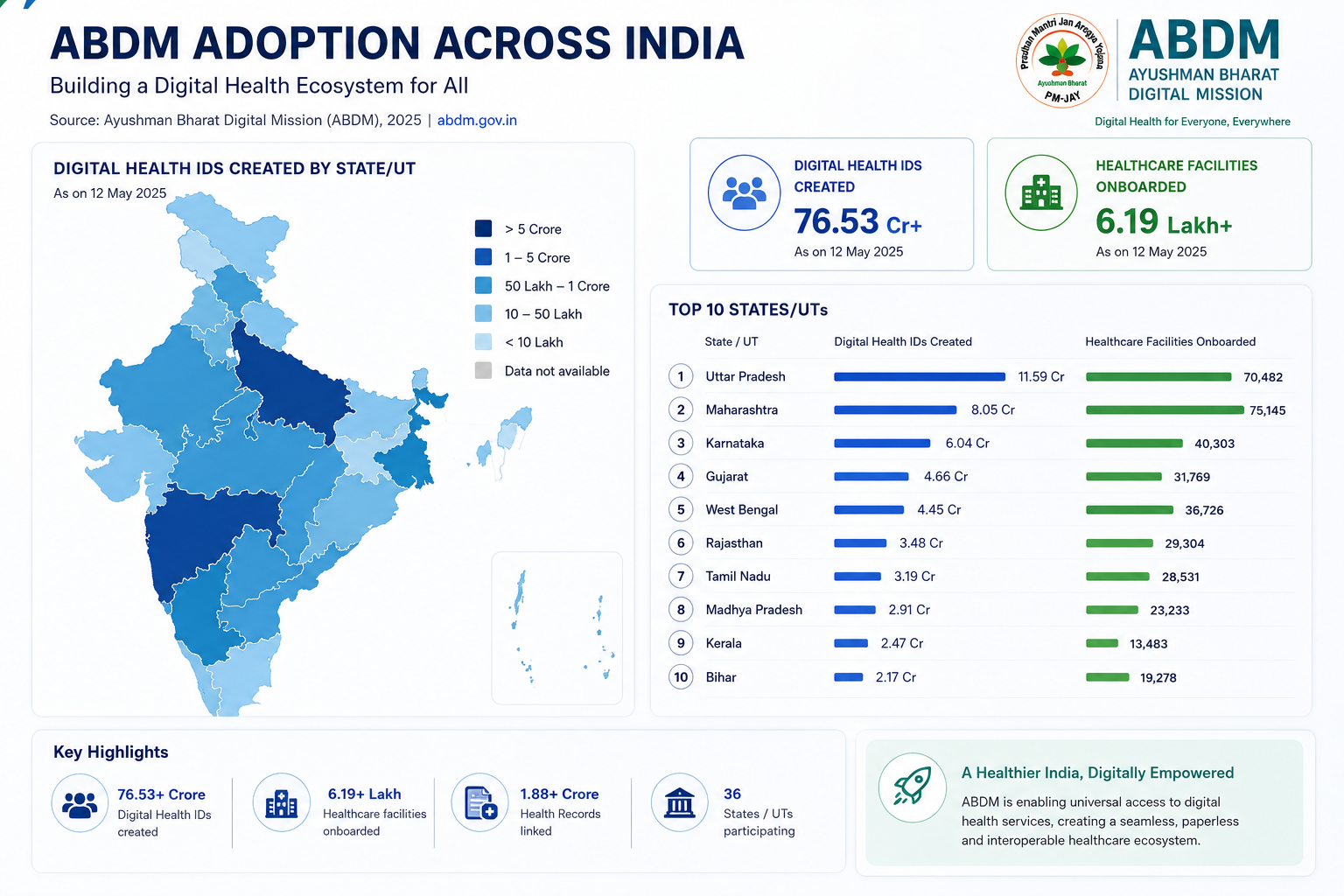
With the Ayushman Bharat Digital Mission (ABDM) and new NABH digital standards, interoperable data is now a requirement for insurance participation. AI systems that speak the language of ABDM allow for seamless digital claim processing through the Unified Health Interface (UHI).
The Path Forward
Transitioning to an AI-driven RCM model isn't just about software; it's about changing the culture of documentation. When every clinical action is captured accurately and every claim is validated before submission, the hospital's financial foundation becomes resilient.
References
- National Health Authority (NHA) - ABDM Progress Reports 2026
- Healthcare Financial Management Association (HFMA) - AI in RCM Guide
- Surgy Health - SurgySettle Case Studies
- IRDAI - Guidelines on Standardisation of Health Insurance Claims
Written by
Mohammed Jamil Nasir
Founder — Product & Tech, Surgy Innovation Labs Private Limited
14+ years in Product, Design & Tech · PGC AI/ML, IIT-Guwahati · Global MBA, SP Jain · BE-CSE
Mohammed Jamil Nasir leads product and technology at Surgy Innovation Labs Private Limited, building AI-first, seamless healthcare products for hospitals and healthcare networks across India and the GCC. He writes about healthcare AI, accreditation, and clinical operations.
Connect on LinkedInKeep reading

Building the AI-First Hospital: Inside Surgy Health's Vision for Healthcare in India and the GCC
Inside Surgy Health’s AI-first vision for connected clinical, patient, workforce, revenue and operational workflows across hospitals in India and the GCC.

The Hospital Chatbot Playbook: How SurgyCRM Turns Website Visitors Into Patients, 24/7
A healthcare-native chatbot doesn't just answer questions — it captures the lead, triages urgency, and hands your team a warm patient conversation. Here's how Surgy Assist, SurgyCRM's on-site AI chatbot, closes the gap between 'answered' and 'converted'.